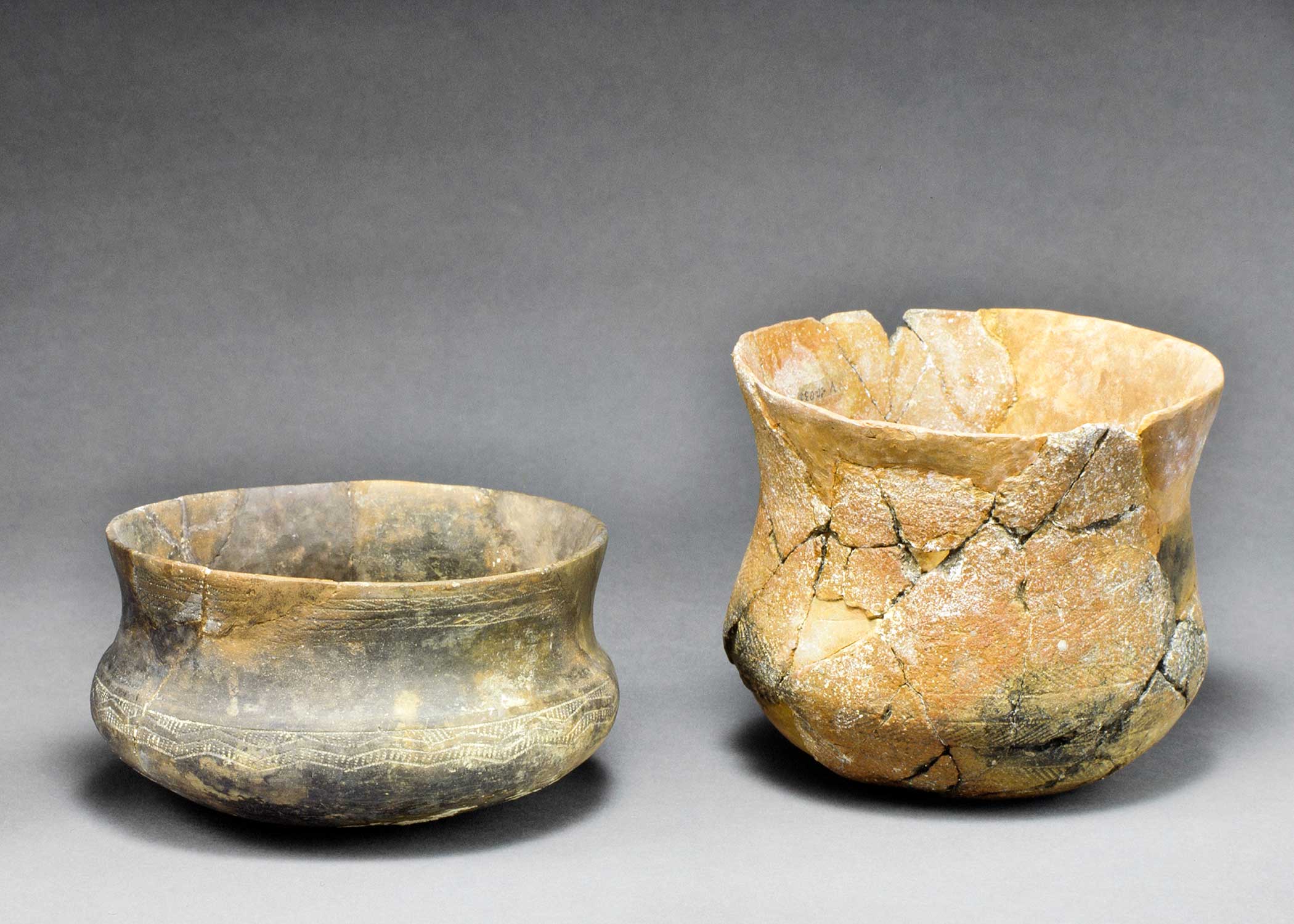
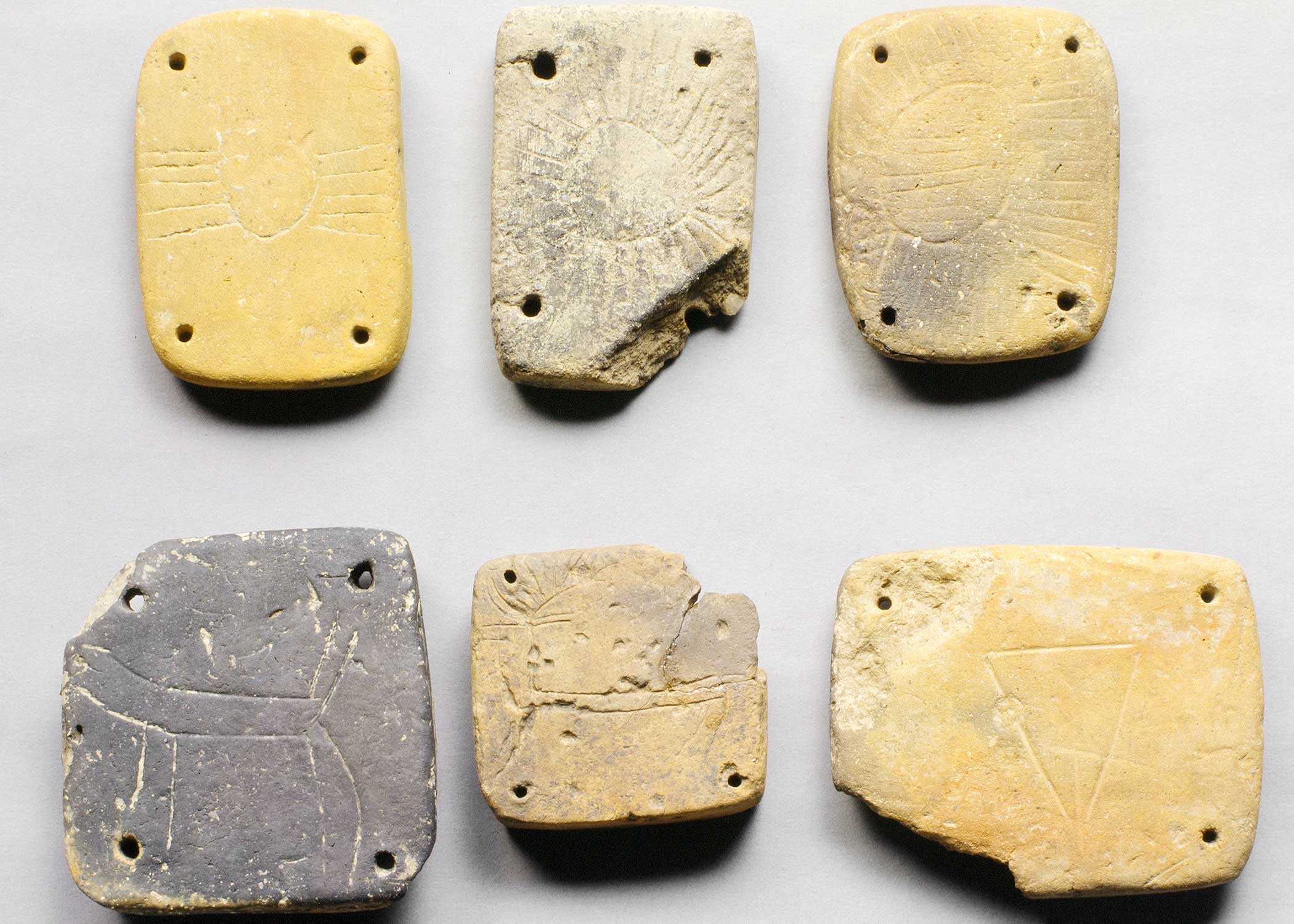
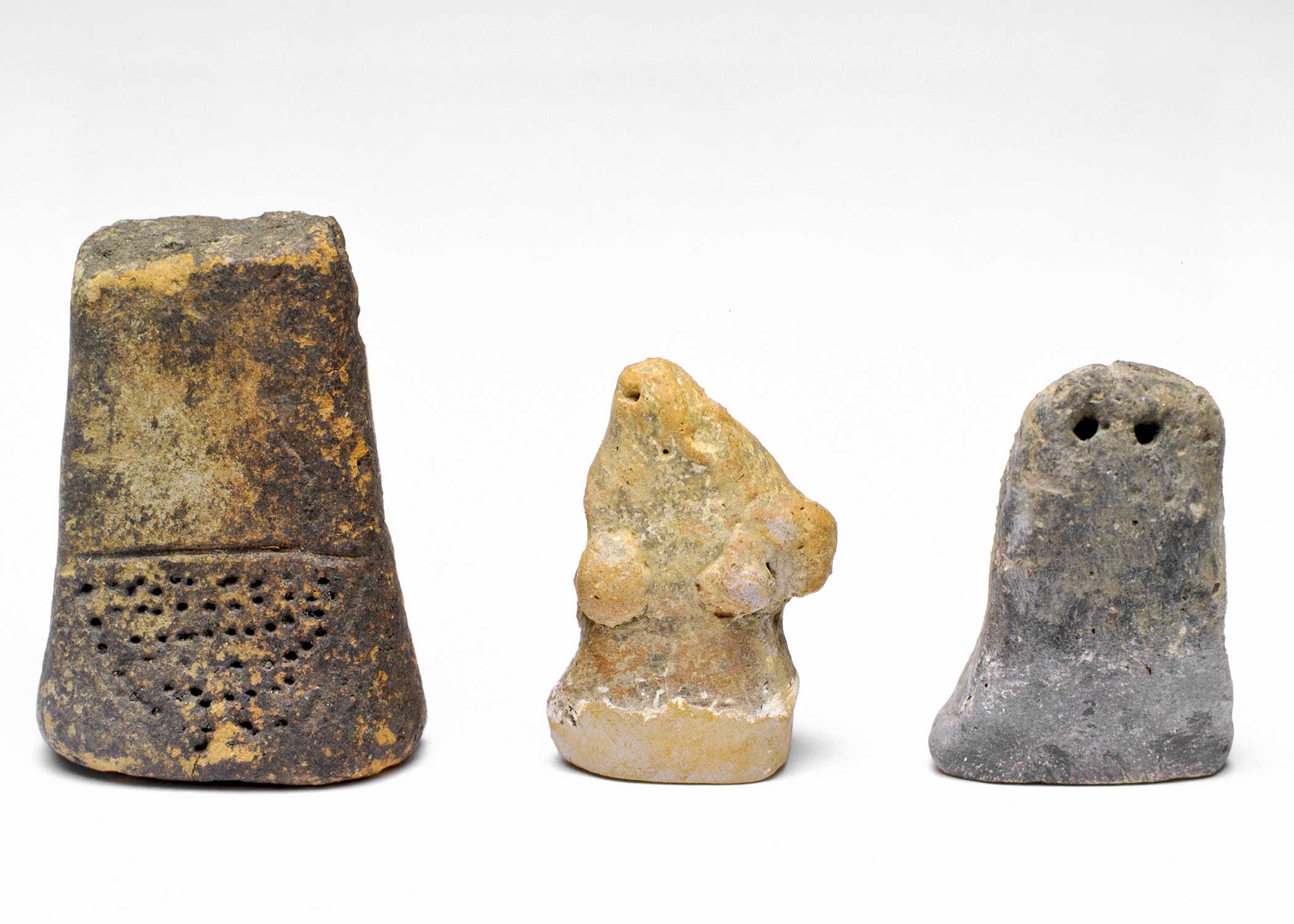
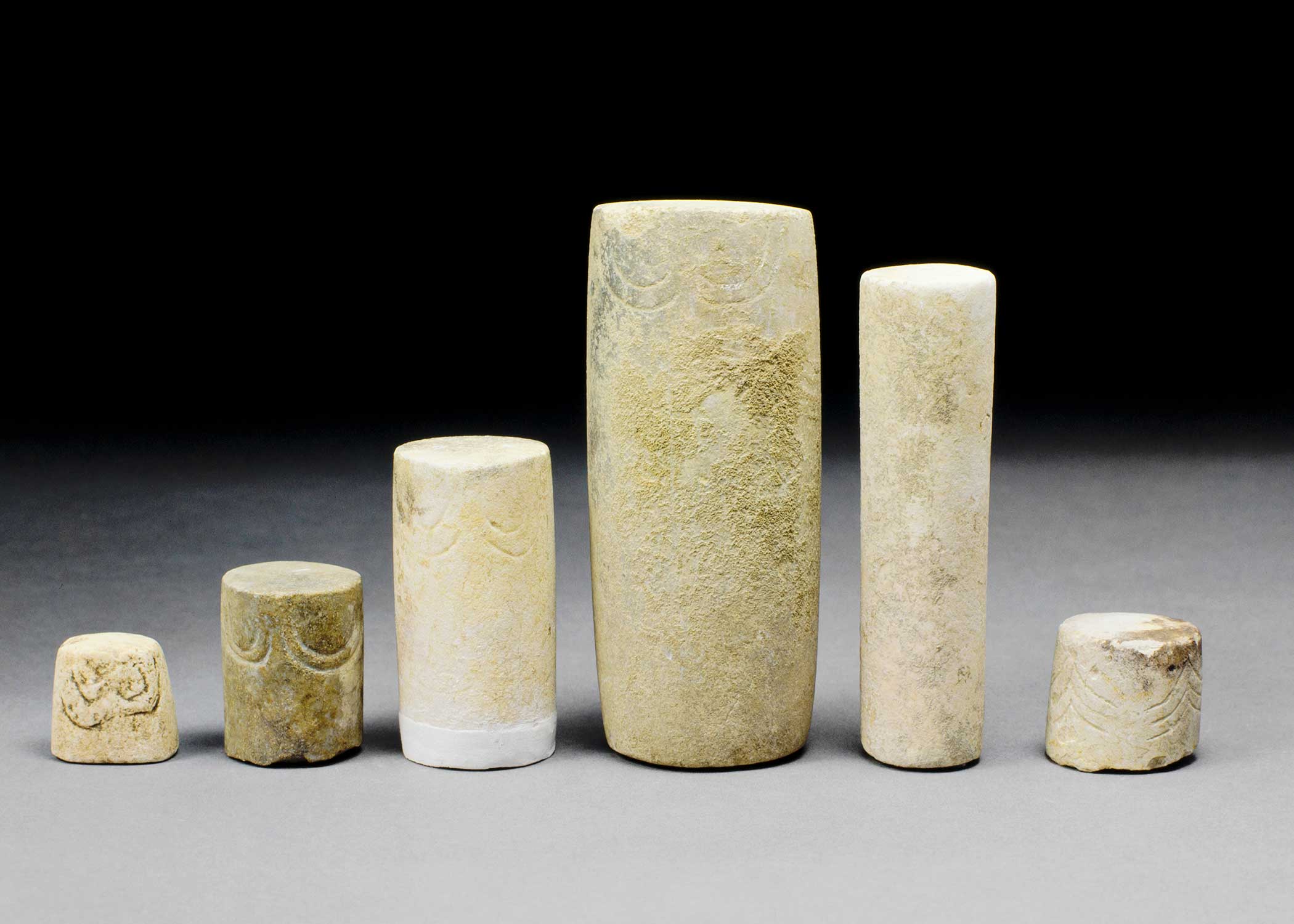
Entre os finais do XIX e inícios do século XX, o Museu Arqueológico do Carmo recebeu importantes colecções de arqueologia pertencentes à Pré e Proto-História, provenientes de diferentes escavações em Portugal, entre as quais se destaca a colecção do Castro de Vila Nova de S. Pedro, situado na Azambuja, o qual data do período Calcolítico (c.3500 a.C).
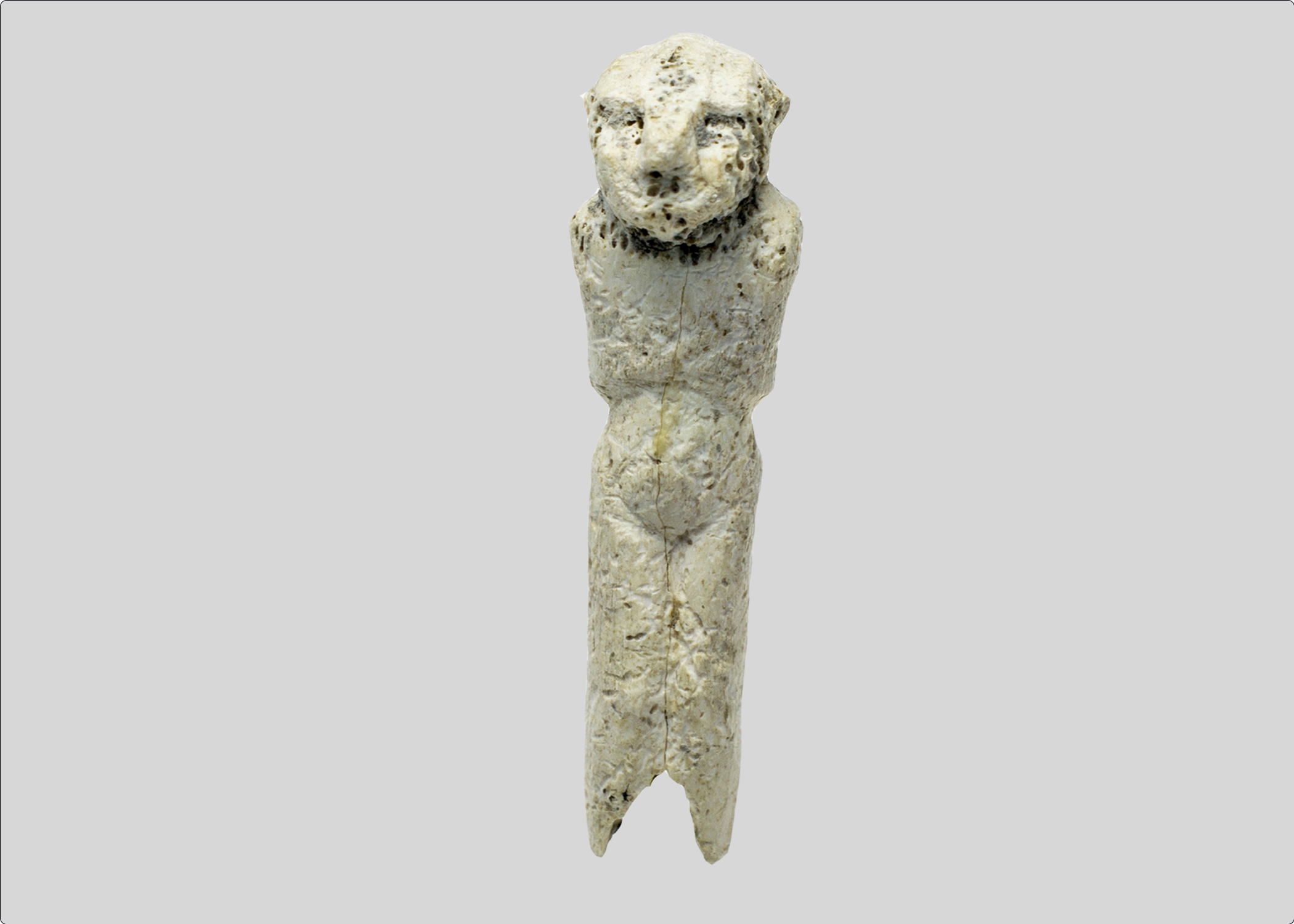
Este sítio arqueológico encontra-se representado através da maqueta que está no centro da sala 1, com o objectivo de ajudar a situar o observador no espaço real, dando-nos a perceber que se trata de uma construção fortificada, situada num local privilegiado e elevado. Os artefactos encontrados durante a escavação deste sítio, permitem-nos perceber parte do quotidiano desta evoluída população. Entre os vários objectos que foram encontrados, alguns dos quais mais se destacam, são a escultura antropomórfica em osso, a colecção dos pesos de tear e o vaso ritual, presumivelmente, utilizado nas cerimónias de iniciação da construção do deste Castro.
Além dos artefactos procedentes de Vila Nova de S. Pedro, há ainda que destacar, outras peças de origens diferentes como o tretraskelion da Idade do Ferro, ou vaso do Neolítico antigo e a espada do Bronze antigo.
Between the late nineteenth and early twentieth century, the museum received important archaeological collections belonging to Pre and Proto-History, from different excavations in Portugal, among which stands the collection of the Castro de Vila Nova de S. Pedro, Azambuja, which dates from the Chalcolithic period (circa 3500 BC).
This archaeological site is represented by the scale model in the center of the room, with the aim of helping to place the observer in the real space, making us realize that this is a fortified building, situated in a privileged and elevated location.
The artefacts found during the excavation of this site allow us to understand part of the daily life of this evolved population. Among the various objects that were found, some of which stand out most are the anthropomorphic sculpture in bone, the collection of loom weights and the ritual vase, presumably used in the initiation ceremonies of the construction of this Castro.
In addition to the artefacts coming from Vila Nova de São Pedro, other pieces of different origins, such as the Iron Age tretraskelion, the ancient Neolithic vase and the ancient Bronze sword, should also be highlighted.