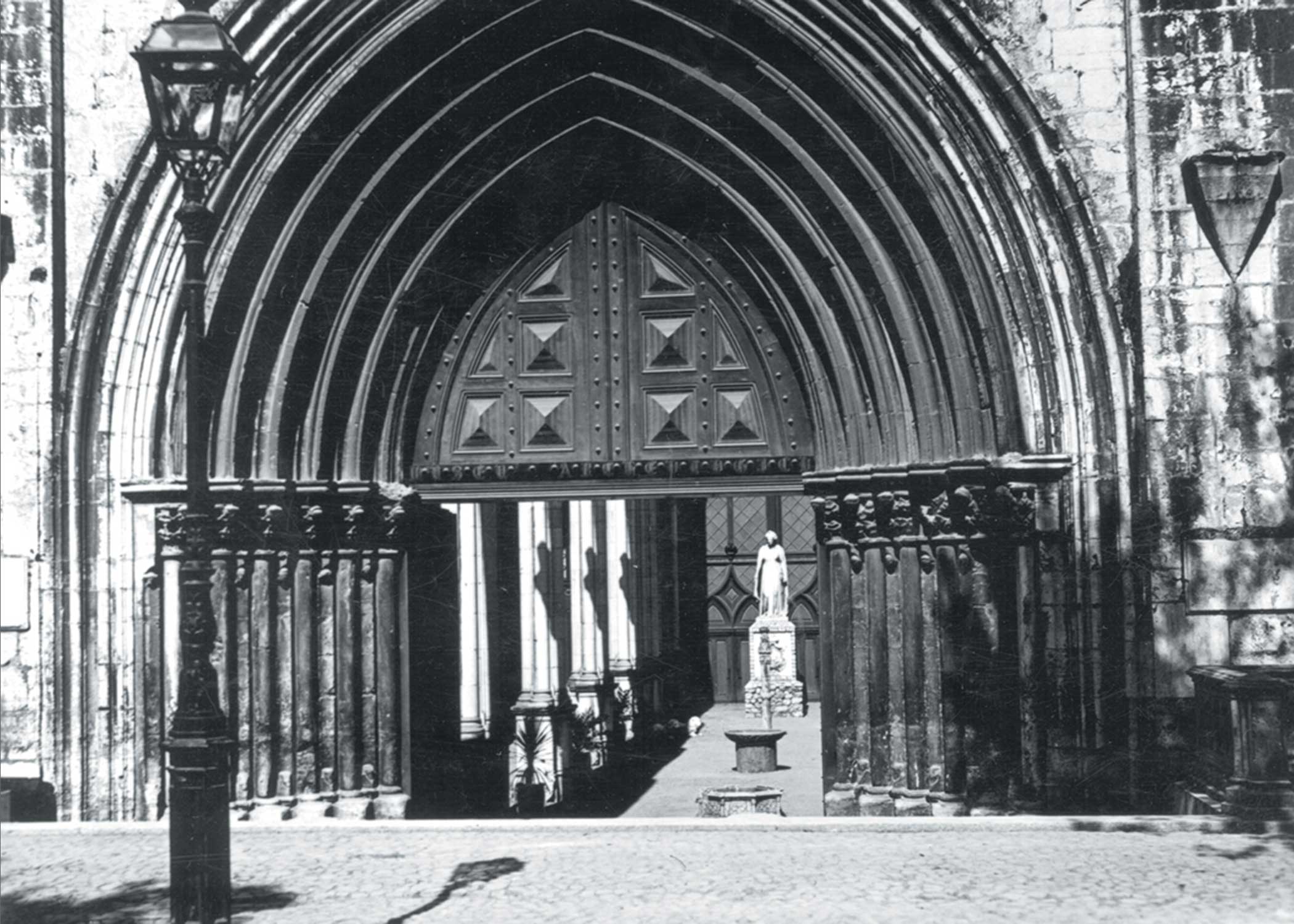
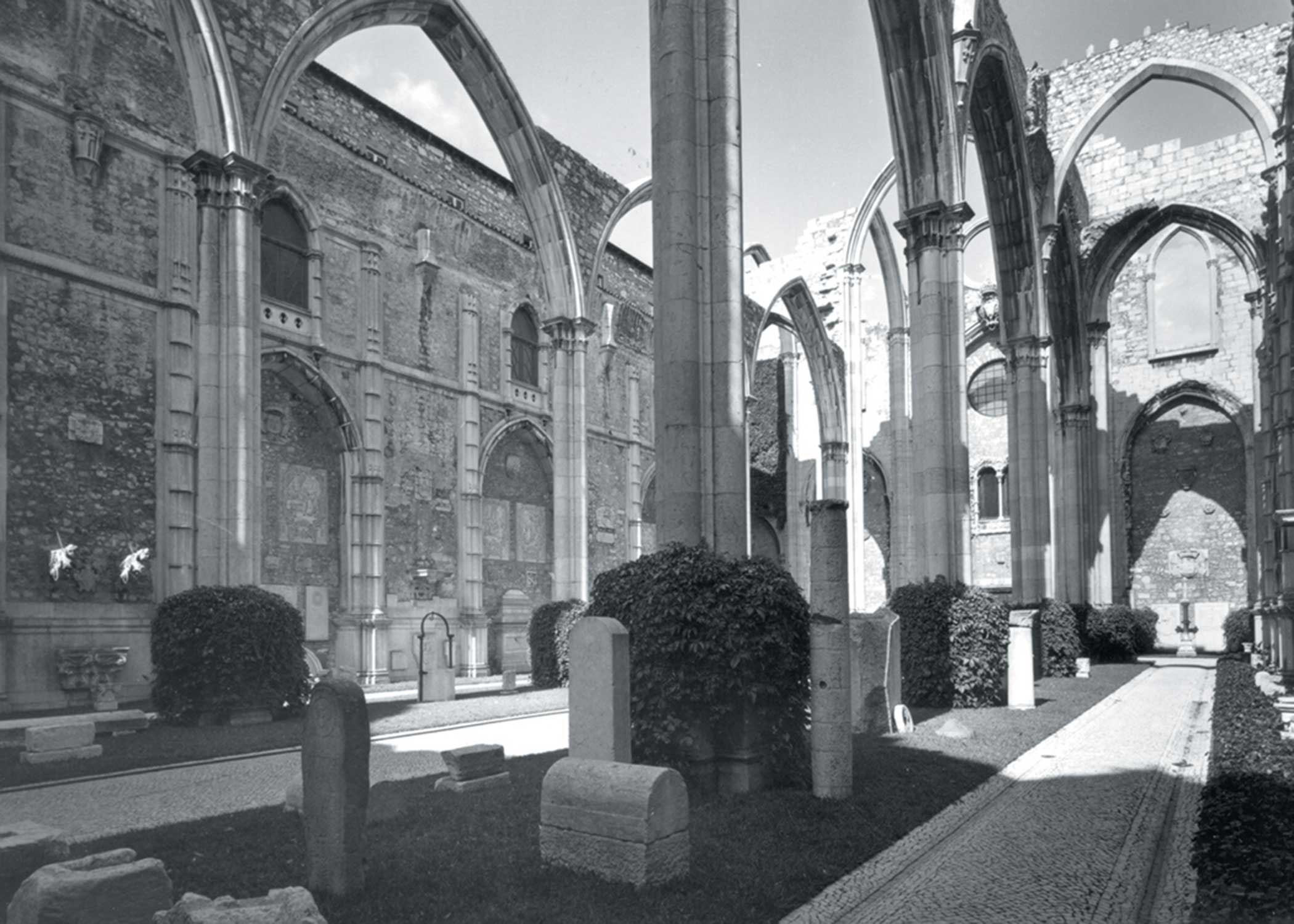
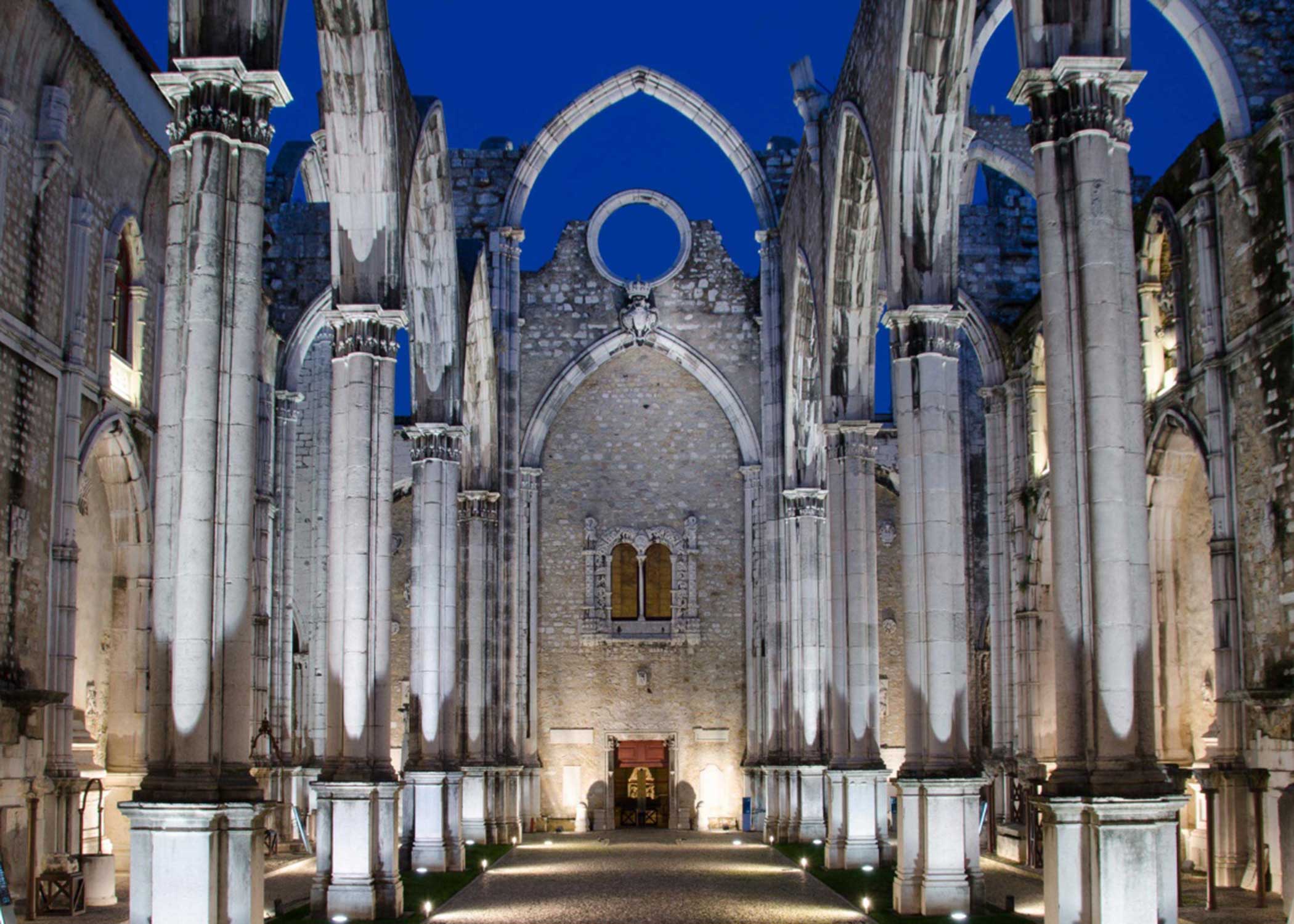
O Museu Arqueológico do Carmo (MAC), instalado nas ruínas da antiga igreja do Carmo de Lisboa, foi fundado em 1864, pelo primeiro presidente da Associação dos Arqueólogos Portugueses (AAP), o arquitecto Joaquim Possidónio Narciso da Silva.
A AAP nasceu neste local em 1863, com o objectivo de proteger, salvaguardar e divulgar o património nacional, que se encontrava em risco de destruição e de desaparecimento, na sequência dos vários períodos de instabilidade pelos quais o país passou, com o terramoto de 1755, as invasões francesas (1804-1811), as guerras liberais (1828-1834) e a extinção das ordens religiosas (1834).
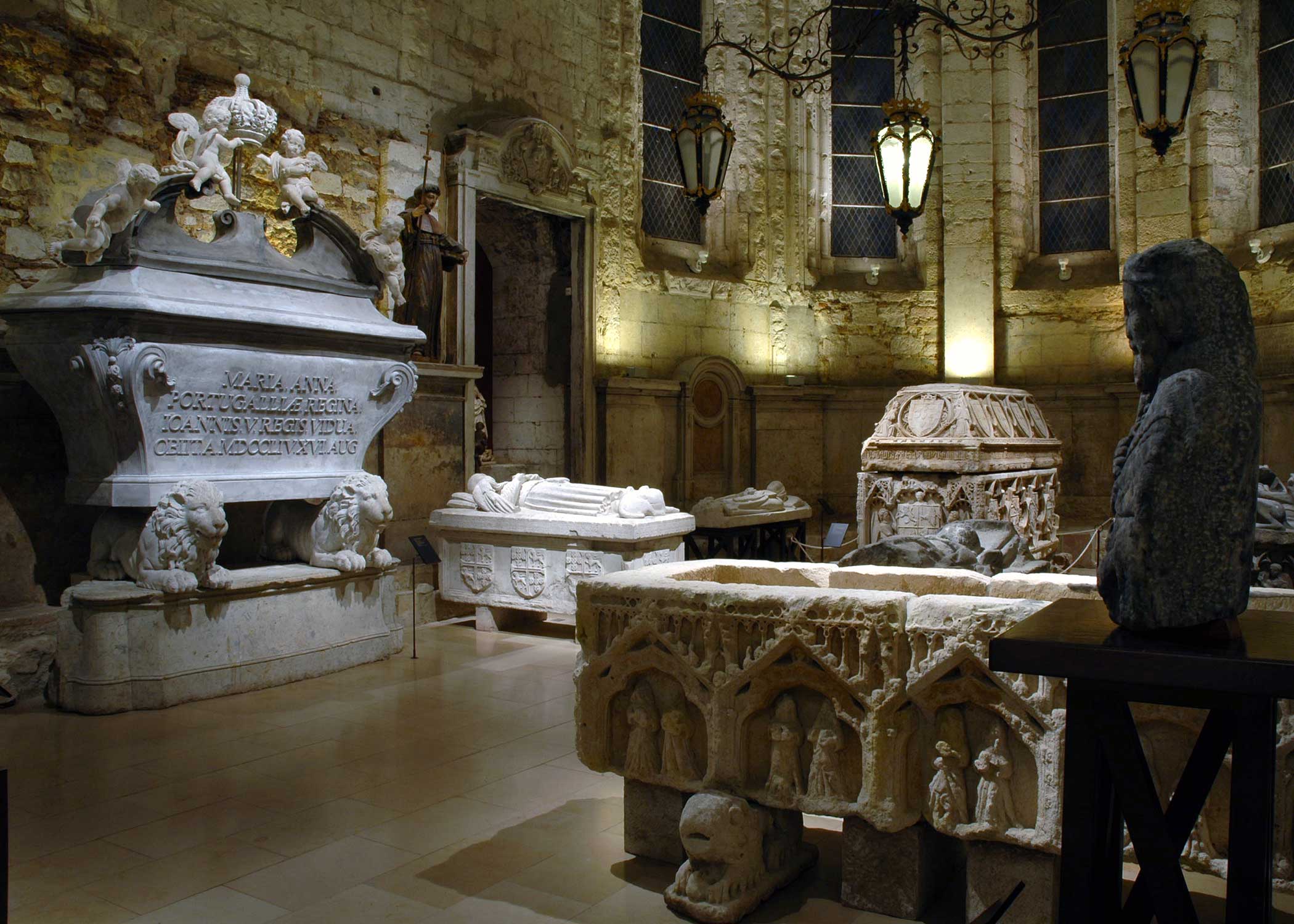
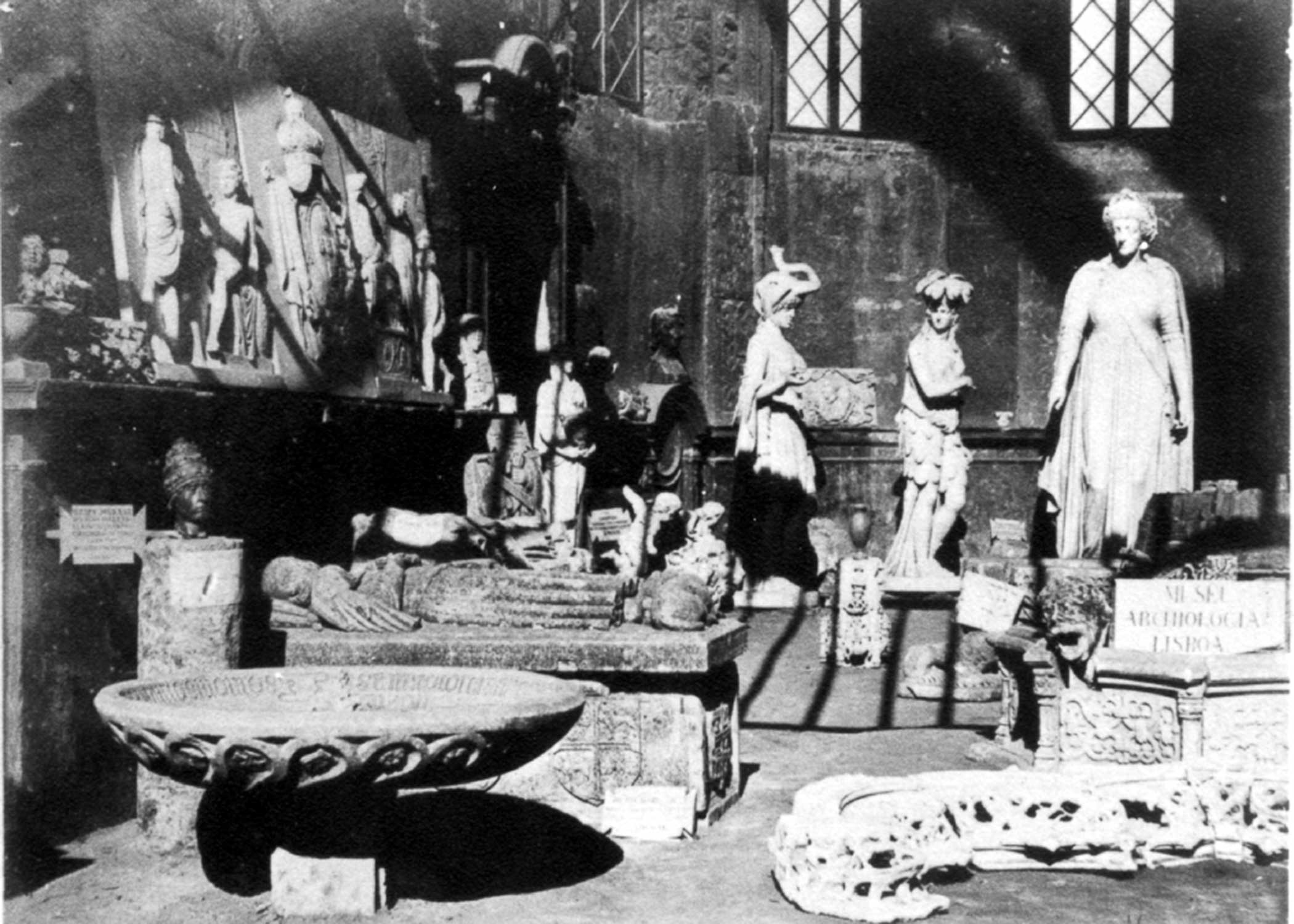
Reuniram-se neste espaço, inúmeros fragmentos de arquitectura e escultura, bem como monumentos funerários de grande relevo escultórico, painéis de azulejo, brasões e outros objectos de interesse histórico, artístico e arqueológico.
Carmo Archaeological Museum, located in the ruins of the old Carmo Church of Lisbon, was founded in 1864 by the first president of the Association of Portuguese Archaeologists, the architect Joaquim Possidónio Narciso da Silva.
The Association of Portuguese Archaeologists was estabished in 1863 with the purpose of defending, protecting and disseminating the national heritage, which was in danger of deterioration and disappearance, consequence of various periods of instability the country went through, such as the 1755 earthquake, the extinction of religious orders, the French invasions and the liberal wars that occurred during the nineteenth century. A year later, in 1864, the Carmo Archaeological Museum opened, being Portugal's first museum dedicated to Art and Archaeology.
In this space, numerous fragments of architecture and sculpture were gathered, as well as funerary monuments of great sculptural relief, tile panels, coats of arms, and many other objects of historical-artistic and archaeological interest.